Trump Waives Russia Oil Tariffs That Threatened India and China
Trump has waived most penalties under the Graham Russia sanctions law, lifting the threat of tariffs of up to 100% on top buyers of Russian oil, a group that includes India.
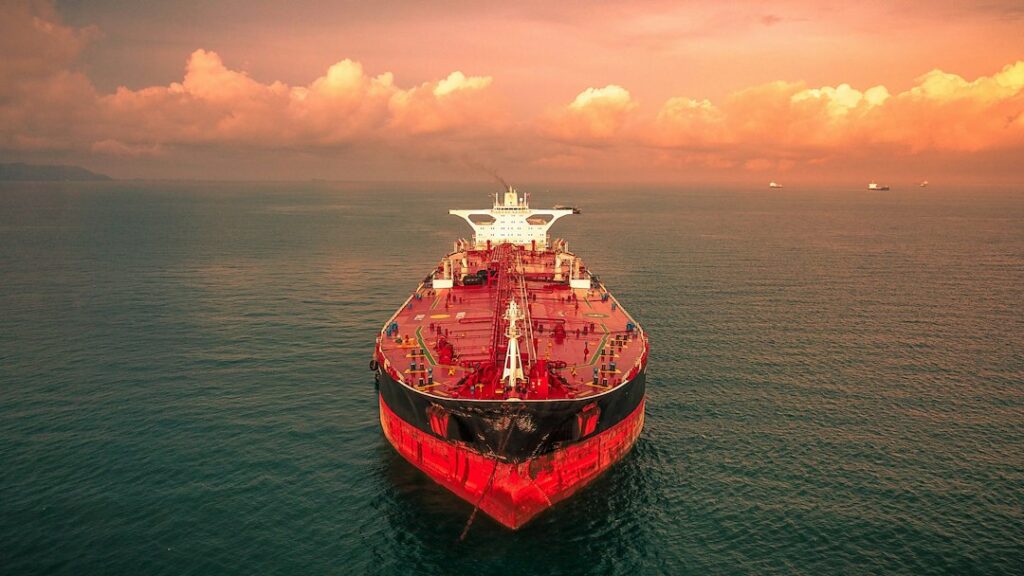
President Donald Trump has waived most of the sanctions and tariffs in a new US law aimed at Russia’s energy trade, removing, for now, the threat of tariffs of up to 100% on goods from the biggest buyers of Russian oil and gas. India, the second-largest buyer of Russian fossil fuels in September, is among the countries that stood to be hit.
The executive order, titled “Implementing the Lindsey O. Graham Sanctioning Russia and Iran Act of 2026”, was signed on Friday, 16 October and released late that evening. It came two days before the law’s penalties were due to take effect on 18 October, at the end of a 30-day implementation window. Trump said the waiver was in “the national interests of the United States”.
What the order switches off
The legislation, enacted on 18 September as Public Law 119-111, cleared the Senate by 86 votes to 11, according to Senator Thom Tillis. It gave the administration a wide set of tools to squeeze Moscow’s revenue. The order now suspends most of them.
Among the measures waived are tariffs of up to 500% on Russian goods, including oil and gas, under Section 112 of the Act. Section 113, which matters most for India, provided for tariffs of up to 100% on goods from the five largest buyers of Russian crude or gas, measured by volume over the 12 months before the law was enacted, as well as on the five leading facilitators of sanctions evasion.
The order also waives sanctions on foreign banks doing significant business with Russian state banks, along with bans on purchases of Russian sovereign debt and on US investment in Russia. Trump invoked the waiver authority in Section 115, which requires a national-interest certification and a report to Congress; he said both had been submitted.
Crucially, the relief has no fixed end date. It remains in force until the President or the Secretary of State decides that further action is warranted, according to the text of the order. Sanctions imposed under earlier executive orders, including those administered by the Treasury’s Office of Foreign Assets Control, remain in place, and no names were removed from Treasury’s main sanctions list.
Second Russia waiver in two weeks
The decision follows closely on the heels of a separate step to ease supply pressures at home. On 9 October, OFAC issued General License 135, permitting Russian diesel imports into the US until April under a supply arrangement Trump agreed with Russian President Vladimir Putin. ABC News described Friday’s order as the second time in two weeks that Trump has waived Russia sanctions.
The backdrop is an energy market under severe strain. Brent crude settled at $109.86 a barrel on Friday, its highest close since 19 May, according to Reuters, as attacks on shipping around the Strait of Hormuz continued. US diesel averaged around $6.32 a gallon, a politically sensitive number ahead of the November midterm elections.
The White House defended the move. Spokesperson Taylor Rogers said on Saturday that Trump “wants to see this brutal war come to an end”.
Backlash in Washington, welcome in Moscow
Reaction on Capitol Hill was sharp, including from the President’s own party. Tillis called the waiver “beyond irresponsible” and “unconscionable”. Senate Democratic leader Chuck Schumer described it as a “birthday gift” to Putin, while Republican Senator John Cornyn said the law’s late namesake “would be appalled”. Cornyn also shared calls for an investigation. Representative Thomas Massie, one of the Republicans who voted against the bill, welcomed the decision.
Kirill Dmitriev, Putin’s envoy on economic matters, hailed it on X as “an important and truly historic moment”. Ukrainian President Volodymyr Zelenskyy argued that the law “could, and still can, help a great deal”.
What it means for India
For Indian exporters, the order removes an immediate and potentially severe risk. According to Business Today, the five largest buyers covered by Section 113 include India, China, Slovakia, Hungary and Azerbaijan, although the order itself does not name any country. A tariff of up to 100% would have landed on top of existing US duties on Indian goods.
India has been through this cycle before. In 2025, Washington added a 25% penalty on Indian goods over Russian oil purchases, on top of a 25% reciprocal tariff. The penalty was removed in February 2026, and the reciprocal rate was cut to 18% under a bilateral trade framework, Business Today reported.
Russian crude remains central to India’s energy supply. Data from the Centre for Research on Energy and Clean Air (CREA), published on 16 October, showed India bought about €4.1 billion of Russian fossil fuels in September, of which €3.6 billion was crude, second only to China at about €9.1 billion. Estimates of Russia’s share of India’s crude imports, however, vary widely between sources.
Economists caution against reading the waiver as a permanent reprieve. Rajani Sinha, chief economist at CareEdge Ratings, told ANI she viewed the tariff threat “more as a negotiating technique by the US” and said India still needs a comprehensive trade deal. She saw no concern for Indian banks from the episode. The think tank GTRI also called the relief temporary and advised against lasting trade concessions on the back of it.
India’s foreign ministry, for its part, reiterated that the country “remains firmly committed” to securing energy for its 1.4 billion people.
What happens next
The waiver can be reversed at any time. The US Trade Representative will continue to monitor purchases of Russian oil and gas and report to the President, which keeps the tariff option alive as leverage. The Act’s Russia provisions run until 18 September 2031.
The timing gives New Delhi a diplomatic window. US Secretary of State Marco Rubio is visiting India from 17 to 22 October and is scheduled to meet External Affairs Minister S. Jaishankar in Mumbai on 20 October, giving both sides an early opportunity to discuss trade and energy after the waiver.
For investors, the order removes one tail risk for India-facing exporters but leaves the broader uncertainty intact. With oil above $100 and Congress pushing back, the policy could shift again quickly.