S&P 500 Correction: Dow Joins as AI Sell-Off Sinks Nasdaq 5%
S&P 500 correction: the index and the Dow closed over 10% below records on 20 November as the Nasdaq sank 5.28% and Nvidia fell 14% in an AI sell-off.
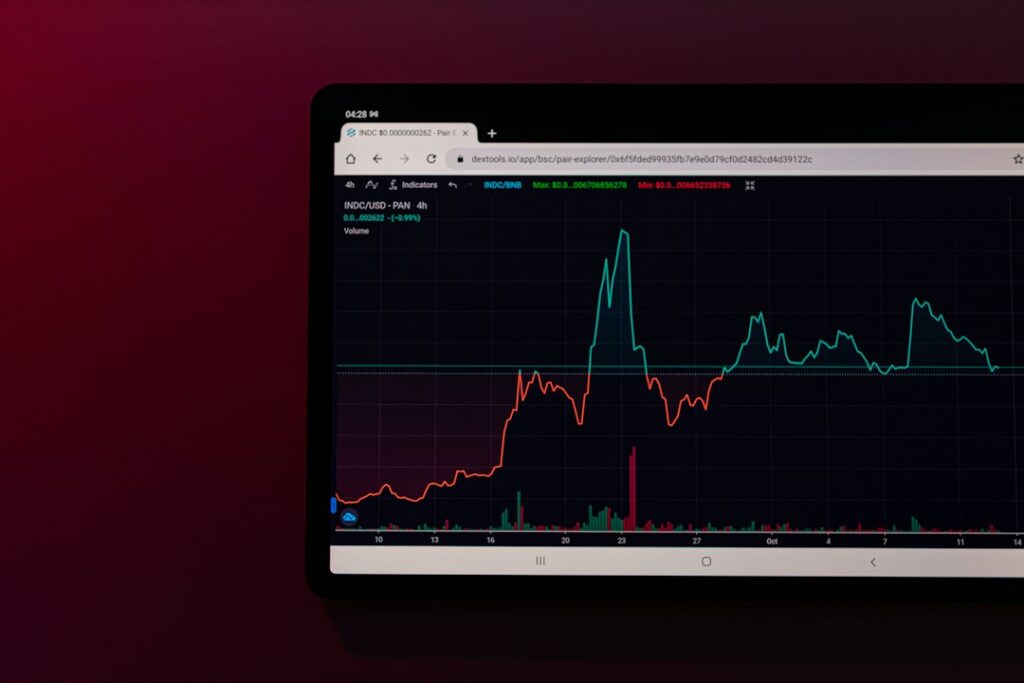
An S&P 500 correction became official on Friday, November 20, as the index and the Dow closed more than 10% below their records and the Nasdaq plunged 5.28% in an AI sell-off.
The S&P 500 fell 265.44 points, or 3.70%, to 6,910.39, and the Dow Jones Industrial Average lost 949.77 points, or 1.93%, to 48,147.33. The Nasdaq Composite dropped 1,261.47 points to 22,617.73, wiping out its gains for 2026, according to closing market data.
S&P 500 correction driven by chip stocks
A correction is a fall of at least 10% from a record close. Both the S&P 500 and the Dow ended more than 10% below their record highs on Friday, according to Reuters and CNBC.
Chipmakers led the decline. Nvidia shares tumbled about 14%, while Advanced Micro Devices fell more than 13% and Micron Technology dropped almost 14%, according to market reports. Broadcom also fell sharply.
The CBOE Volatility Index, Wall Street’s fear gauge, jumped 26.2% to close at 35.89, its highest close since April 2025, according to Yahoo Finance data. The S&P 500 and the Dow posted their worst weeks since April 2025, while the Nasdaq had its biggest weekly percentage loss since March 2020.
The rout came despite strong numbers from the companies at the centre of the AI trade, a contrast that unsettled many investors during the week.
Nvidia results and Anthropic IPO fail to steady the AI trade
Nvidia reported revenue of $115.8 billion for the third quarter of fiscal 2027, which ended October 25, up 103% from a year earlier. Data centre revenue rose 110% to $107.6 billion, the company said in its earnings release filed with the SEC.
The chipmaker forecast fourth-quarter revenue of $130.0 billion, plus or minus 3%, and said it was not assuming any data centre compute revenue from China. It was Nvidia’s first report since the resignation of chief executive Jensen Huang, with chief financial officer Colette Kress serving as interim CEO.
“Our momentum is real,” Kress said in the results statement. The market disagreed: Friday’s drop extended Nvidia’s losing run to seven straight sessions, CNBC reported.
Anthropic, which listed on Nasdaq on Thursday, November 19, offered no relief. The Claude maker priced its shares at $83, above its target range of $70 to $78, and gained 17% on its first day. The stock then fell about 9% in its second session on Friday, according to market reports.
After underwriters exercised their option to buy additional shares, Anthropic’s IPO raised $93.5 billion, the company said on Friday. That makes it the largest IPO on record, ahead of SpaceX’s $86.2 billion offering, including its overallotment, in June.
Some market watchers argue the listing itself drew money away from other technology names. Tech analyst Dan Ives, a partner at Yorkville Ives & Co., called the week a “perfect storm.” He cited Democrats’ midterm victories, Huang’s exit from Nvidia, Anthropic’s IPO marginally reducing liquidity from other tech names and hawkish comments from Federal Reserve officials.
Why it matters for business leaders and investors
The sell-off has moved beyond a handful of richly valued stocks. When the two broadest US benchmarks enter a correction together, it signals that investors are questioning whether heavy spending on AI will produce returns quickly enough to justify valuations.
Bonds have been the main beneficiary. Safe-haven demand pushed the 10-year Treasury yield down 14 basis points on Friday to about 4.91%, according to market data. Lower yields ease borrowing costs for companies and home buyers, but they reflect caution rather than confidence.
Economic data has not been the problem. Walmart beat earnings estimates and raised its outlook on November 19, and core retail sales rose 0.6% in October from September, the Nasdaq Economic Institute noted.
There is a clear India angle. The same rotation that is hurting US chip stocks is sending money to Indian equities. On Friday, the Sensex rose 1.08%, and foreign institutional investors have put a record ₹1.01 lakh crore into Indian shares in November up to November 19, as funds look for markets with less exposure to the AI trade.
For Indian IT services companies, the shift is also notable. HDFC Sky’s market report said investors were moving away from AI trades towards traditional IT services firms, which helped the Nifty IT index gain 1.3% on Friday.
What happens next
Investors will watch whether the S&P 500 correction stabilises or deepens into a bear market, defined as a 20% fall from the peak. Business ERA earlier tracked the Nasdaq’s slide into correction in a report on November 8, and the pressure has since spread to the wider market.
The coming week brings preliminary November manufacturing and services PMI data on Monday, November 23, consumer confidence on Tuesday, November 24, and October PCE inflation and consumer spending figures on Wednesday, November 25. With Fed officials sounding hawkish, a hot inflation reading could add to the strain. Readers can follow more developments in our business news section.