Sensex Sheds 900 Points as Brent Tops $106 and US Yields Spike
The Sensex fell about 900 points in early trade on 28 September as Brent crude rose to around $106 and US 10-year yields touched 5.2%.
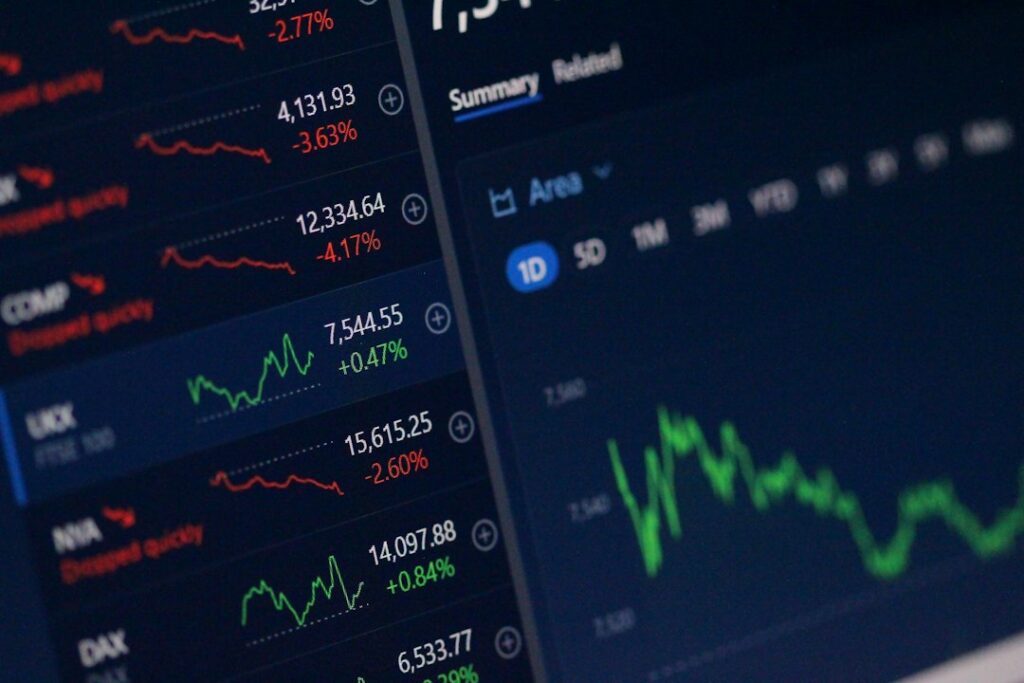
Indian equities opened the week under heavy selling on Monday, 28 September, as a fresh jump in crude oil and near two-decade highs in US bond yields combined to knock the benchmarks to new lows for the correction. By about 9:40 am, the BSE Sensex was down roughly 900 points, or 1.21 per cent, at 72,995, while the NSE Nifty 50 had shed 284 points, or 1.22 per cent, to 22,856, according to Business Standard. Midcap and smallcap indices were each lower by about 1 per cent, and the India VIX, the market’s gauge of expected volatility, rose about 15 per cent.
The slide came after a modest recovery on Friday, when the Sensex closed at 73,895.74, up 315.20 points, and the Nifty ended at 23,140.50. That bounce did little to change the broader trend: the Nifty fell 0.9 per cent last week, its seventh consecutive weekly decline. Business Standard noted that the streak matches the run seen during the Covid-19 crash of 2020.
Oil and US yields drive the sell-off
The immediate trigger was geopolitical. Over the weekend, US President Donald Trump rejected an Iranian peace proposal, conveyed through Qatari mediators, that sought to reopen the Strait of Hormuz. Mr Trump told Axios he expected US negotiators to hold further talks this week, but markets treated the rejection as a setback. Brent crude rose about 2 per cent in early Asian trade to around $106 a barrel, and West Texas Intermediate climbed above $93. Brent is now up about 62.5 per cent so far in 2026, as reported by Business Standard.
The second pressure point is the US bond market. The yield on the 10-year Treasury rose to about 5.20 per cent, which Upstox described as the highest in nearly 20 years, while the 30-year yield was reported at 5.48 per cent, a level last seen in 2004. When risk-free US returns climb this high, emerging-market equities look less attractive by comparison. Business Standard pointed out that the Nifty’s earnings yield, at 5.11 per cent, has now slipped below the yield on US Treasuries.
“Brent crude at $106 and the US 10-year yield at 5.2% are strong headwinds,” said V K Vijayakumar, chief investment strategist at Geojit Investments, in comments carried by Business Standard.
Banks and financials lead the losses
Selling was broad. Hindalco, Max Healthcare and Kotak Mahindra Bank were among the biggest early losers on the Nifty, and Bajaj Finance, HDFC Bank, Bharat Electronics, Hindustan Unilever and Bajaj Finserv each fell more than 1 per cent. The Nifty Private Bank index was the weakest sectoral gauge. Tata Consultancy Services was the lone Nifty gainer in early deals, up about 0.25 per cent. Elsewhere in Asia, South Korea’s Kospi fell about 2 per cent and the Shanghai Composite lost 1.1 per cent, while Japan’s Nikkei was flat. On Wall Street, the S&P 500 had slipped 0.75 per cent and the Nasdaq 1.13 per cent on Friday.
The rupee opened weaker at 95.86 against the dollar, adding to the unease among foreign investors. Foreign portfolio investors have sold ₹17,131 crore of Indian shares so far in September after net buying in July and August, taking year-to-date outflows to about ₹2.41 lakh crore, according to Business Standard data.
The scale of the damage
The correction has now eaten deep into valuations. A Business Standard analysis published on Sunday estimated that ₹31.35 lakh crore of market value has been wiped out from the 52-week highs of stocks, and that 18 of the 50 Nifty constituents are trading more than 20 per cent below their peaks. The Nifty itself hit its 52-week high of 26,373.2 on 5 January 2026; Friday’s close was roughly 12 per cent below that level.
Information technology and consumer names have been among the hardest hit. Infosys is about 42 per cent off its high, Wipro nearly 40 per cent, TCS close to 38 per cent and ITC about 37 per cent, based on the same analysis. Tata Motors Passenger Vehicles, Maruti Suzuki, HCLTech and HDFC Bank have also fallen between 28 and 35 per cent from their peaks. In absolute terms, Reliance Industries has lost about ₹4.76 lakh crore in market value and HDFC Bank about ₹4.15 lakh crore.
Why it matters for investors
For India, the combination of costly oil and high US yields is particularly damaging because it hits several pressure points at once. The country imports most of its crude, so every sustained rise in Brent widens the trade deficit, weakens the rupee and feeds into domestic fuel and transport costs. A weaker rupee, in turn, makes foreign investors more cautious about holding Indian assets, especially when they can earn more than 5 per cent on US government debt.
The inflation channel matters too. Economists increasingly expect the Reserve Bank of India to raise rates at its policy meeting in early October, and higher crude prices strengthen that case. A shift from pauses to rate hikes would raise borrowing costs for companies and households and could weigh further on rate-sensitive sectors such as banks, non-banking financiers, real estate and automobiles, which have already been under pressure.
Some analysts see the domestic setup as fragile. Osho Krishan of Angel One told Business Standard that the technical picture “remains extremely weak”. Santosh Meena of Swastika Investmart noted that the broader Nifty is down 10 to 12 per cent from its highs.
What happens next
Traders will watch whether the Nifty can hold the 23,000 mark on a closing basis. Technical analysts quoted by Business Standard said the index remains negative below 23,450, and that a decisive close under 23,000 could open the way towards 22,500–22,400. Monday’s early trade had already taken it below that threshold.
The bigger cues lie outside India’s control. Any progress in US-Iran talks this week could cool oil prices quickly, just as a breakdown could send them higher. US data due this week, including inflation and employment figures, will shape the path of Treasury yields. At home, the RBI’s Monetary Policy Committee meets from 5 to 7 October, and its decision on rates and its assessment of inflation will set the tone for domestic markets heading into the September-quarter earnings season.
Until those uncertainties ease, fund managers expect volatility to stay elevated, with foreign flows likely to remain the swing factor for the benchmarks.